Tamar Bercovici
HostVP of Engineering at Box

Ganesh Datta
CTO & Co-founder of Cortex
April 9, 2026

In This Episode
When Tamar Bercovici joined Box, the engineering team consisted of just 30 people. In the 15 years since, she's worked through every level of the leadership track in the organization and is currently the VP of Engineering. She leads the core platform, which is the backend layer that storage, search, metadata, and Box's AI capabilities all run on.
In this episode of Braintrust, Tamar and Cortex CTO Ganesh Datta get into what the job actually requires at each level from IC to VP, why the transition to a director-level role catches people off guard in a way the manager transition doesn't, and how platform teams make the case for their value when nothing they build has a user-facing feature attached to it.
You’ll learn
Tamar describes sitting down to write her first self-evaluation as a manager and genuinely not knowing what to put. What she did, or what the team did? That confusion resolves once you accept that what you're accountable for is the team's results instead of what you shipped.
As a manager, you're optimizing within constraints. As a director, you're responsible for the constraints themselves. If you see a structural problem and don't fix it, nobody else will.
You can't build a strategic roadmap without deeply understanding the architecture and trade-offs your team is navigating. That means staying close enough to understand what the team is actually hitting.
For infrastructure teams, the external end user is the primary customer. Internal engineering teams are secondary. Getting that hierarchy right determines how you measure success and how you make the case for headcount.
One engineer using AI effectively produces at the output level of several. The observability, deployment gates, and CI/CD practices that should have existed anyway become load-bearing under that pressure. Teams that already built those practices absorb what AI produces. Teams that didn't are about to find out.
Quotes
"I think what's interesting about AI coding is that it's really pressure testing what you already technically should have had in place."
Tamar Bercovici
VP of Engineering at Box

"Execution is burning down risk. That's a one-to-one. And so it's just going to manifest a little differently based on where in the stack you are."
Tamar Bercovici
VP of Engineering at Box
"If you give [AI] a bad prompt, you're going to get a bad outcome. Just like if a product manager gives you a bad set of requirements or your architect doesn't explain what they want you to do, the engineer's not probably going to do a good job."
Tamar Bercovici
VP of Engineering at Box
Timestamps
(01:36)
Tamar's role at Box and what "core platform" actually means.
(06:34)
How the job changes at each level (IC, manager, director, VP) and where each transition is actually hard.
(16:01)
Why Box has principal architects reporting at the same level as directors.
(18:35)
How to stay technically grounded as a senior leader without pretending you're still an engineer.
(24:29)
AI, reliability, and guardrails for a platform team where downtime has real consequences.
(29:45)
AI as an amplifier: why it makes strong teams stronger and exposes weaknesses in less mature ones.
(39:25)
How platform teams make the case for their value when nothing they build has a feature announcement attached to it.
Other episodes
Rootly's Dan Sadler on why AI coding tools are driving more incidents and why reliability is the product
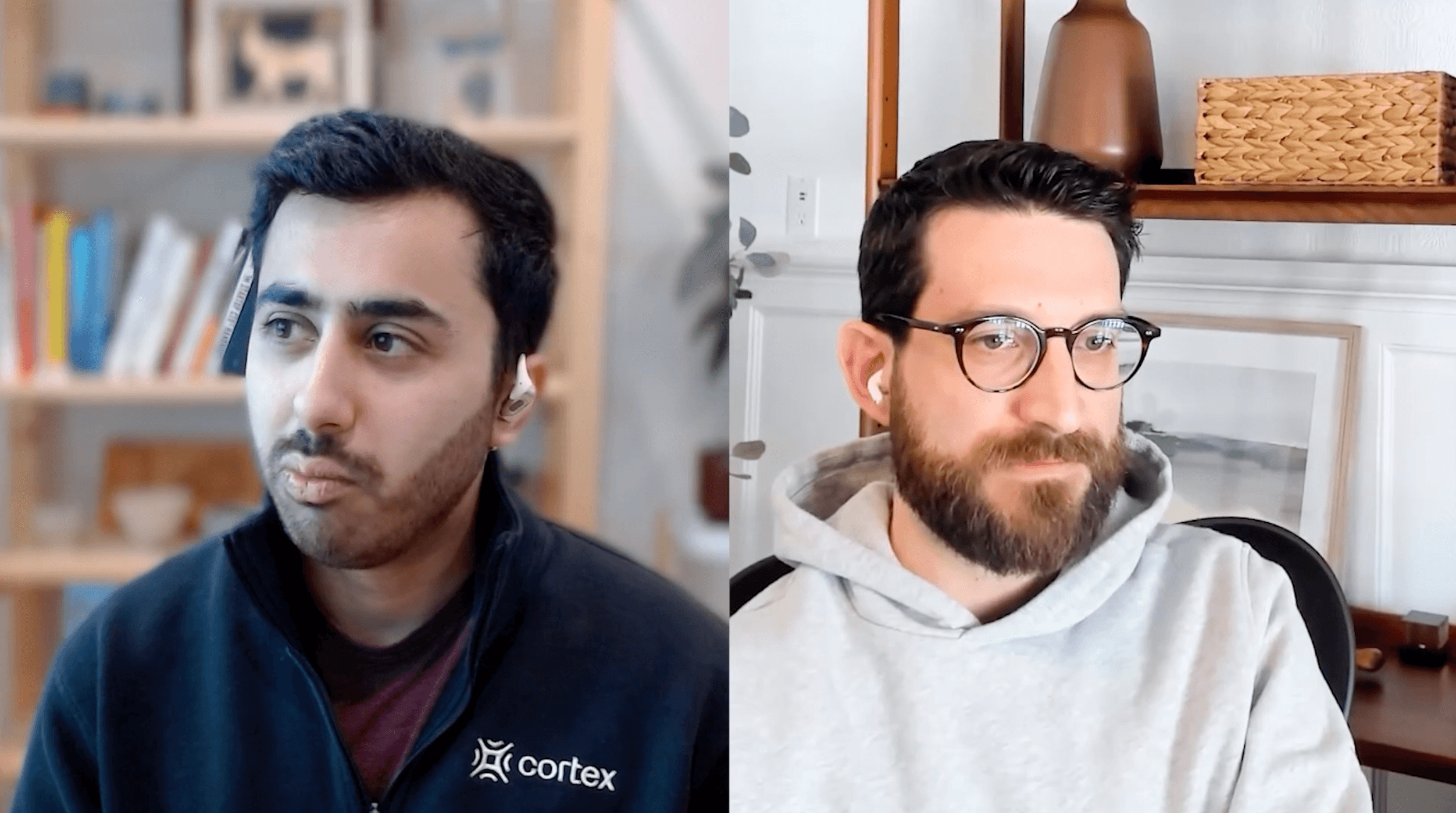
In this episode of Braintrust, Cortex co-founder and CTO Ganesh Datta sits down with Dan Sadler, VP of Engineering at Rootly. Dan shares how building a business-critical product forced Rootly to prioritize operational maturity far earlier than most companies would, and why that discipline is now paying off as AI coding tools push incident volumes higher across the industry.
They also discuss what a genuine reliability culture looks like in practice, the specific cadences Rootly uses to stay ahead of production issues, and why Dan believes the rising pace of AI-generated code makes the infrastructure around code more important than ever.
April 23, 2026
Dan Sadler
VP of Engineering at Rootly

Rob Zuber on quality, metrics, and what it means to move in the right direction at CircleCI
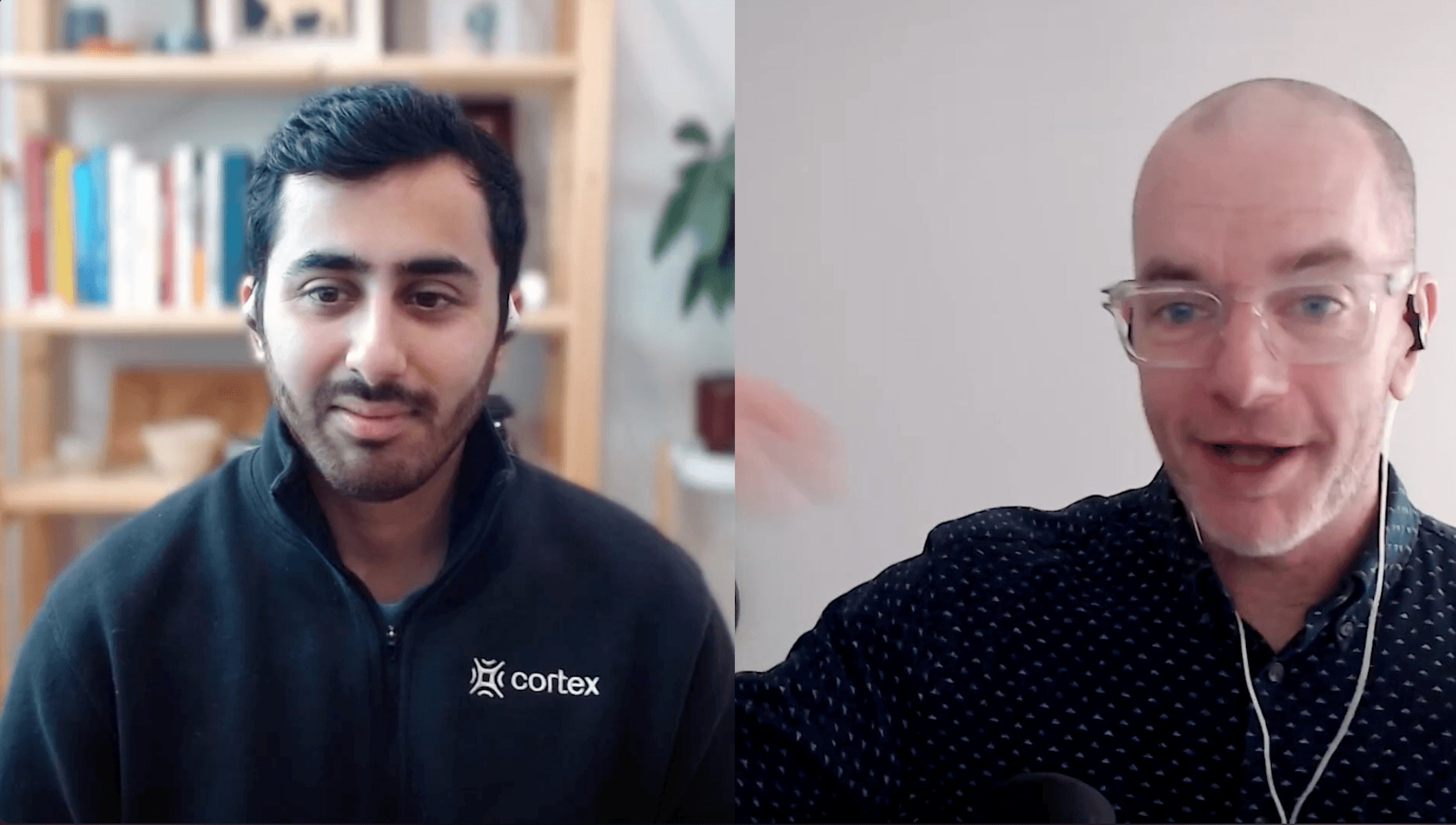
In this episode of Braintrust, Cortex co-founder and CTO Ganesh Datta sits down with Rob Zuber, CTO at CircleCI, who has spent over a decade at the center of how engineering teams build and ship software. Rob shares his thinking on two challenges that are becoming harder to ignore as AI accelerates output: the quiet erosion of software quality, and the pressure to move fast without a clear sense of direction.
They discuss what made the best QA engineers so effective and why that mindset largely disappeared, how LLMs could help bring it back, and why engineering leaders need to think about metrics very differently depending on whether their teams are scaling a mature system or exploring uncharted territory.
March 26, 2026
Rob Zuber
CTO at CircleCI

The platform engineering playbook for velocity, quality, and AI readiness at SIXT
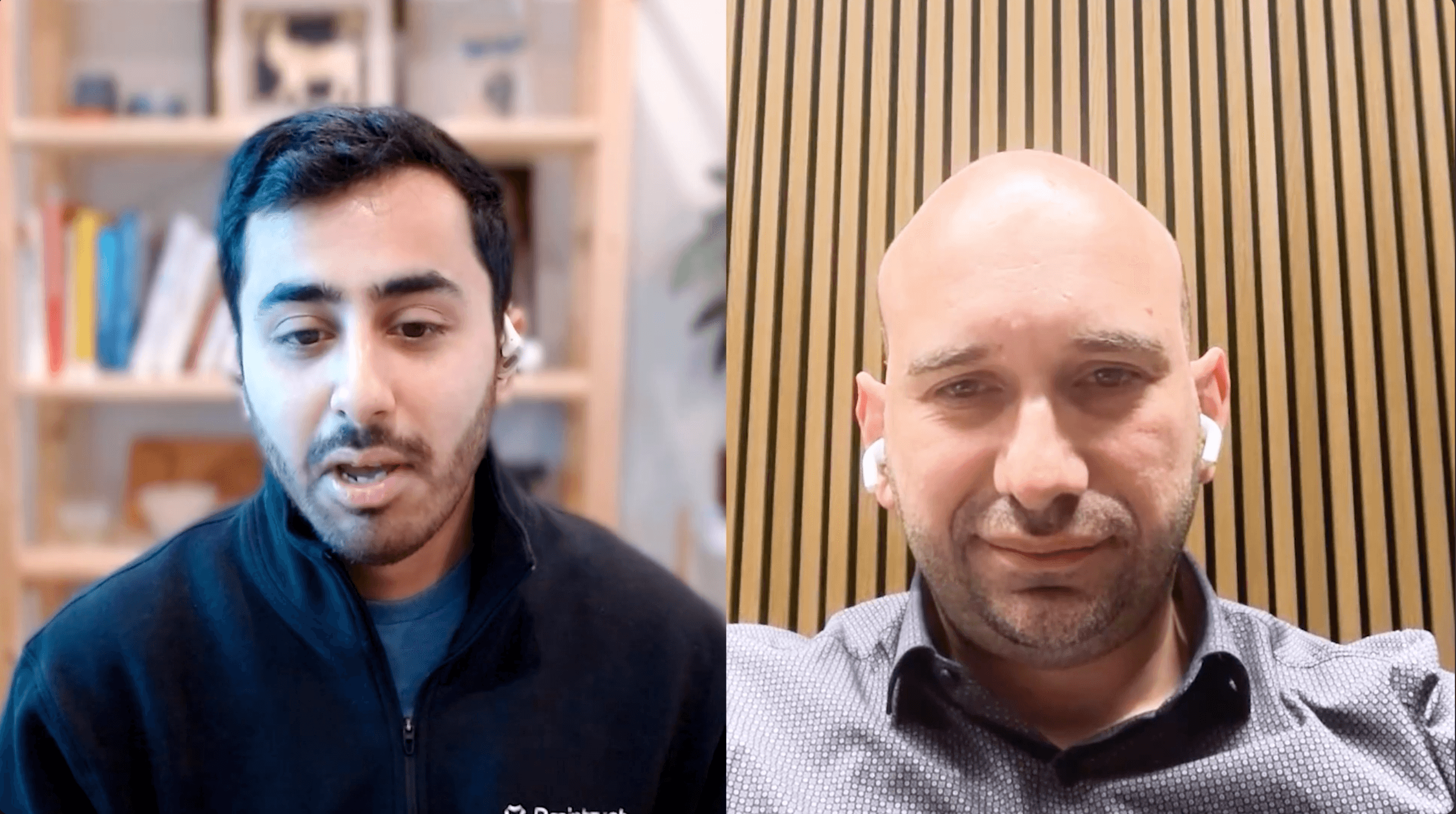
In this episode of Braintrust, Cortex co-founder and CTO Ganesh Datta sits down with Boyan Dimitrov, CEO of SIXT, one of the world's largest mobility providers operating in over 100 countries. Boyan shares the story behind SIXT's engineering transformation, from shipping software once or twice a month to running nearly 10,000 deployments a month, and explains how extreme standardization became the engine driving both velocity and quality at the same time.
They discuss the pull-and-push model SIXT uses to drive platform adoption without mandating it from the top, how Boyan built a business case for platform investment by starting with specific problems rather than a platform-first vision, and how years of foundational standardization work is now paying significant dividends as SIXT accelerates its AI strategy.
March 12, 2026
Boyan Dimitrov
CTO of SIXT