Ganesh Datta
HostCTO & Co-founder of Cortex

Jeff Schnitter
Solution Architect at Cortex
January 29, 2026

In This Episode
Cortex co-founder and CTO Ganesh Datta sits down with Jeff Schnitter, a Solution Architect at Cortex. Jeff shares insights from his time as a Senior Principal Engineer at Workday, where he led developer experience and release engineering, to explore how organizations can successfully shift their internal culture.
The discussion covers the transition from a "Stockholm Syndrome" mindset where teams accept broken processes to a culture of reliability and security. Ganesh and Jeff also dive into the importance of incentives, the role of leadership in empowering teams, and why the most effective transformations start with identifying individual pain points rather than issuing top-down mandates.
You’ll learn
Cultural change is more effective when it begins by asking developers what sucks about their daily workflows. When people can articulate their specific friction points, they are more motivated to adopt the solutions that fix them.
New hires provide a unique advantage because they have not yet developed an acceptance of inefficient rituals. Leaders should encourage new team members to question existing processes before they become accustomed to the status quo.
Teams are more likely to prioritize reliability when they own a service from design through deployment. This shift prevents the "throw it over the wall" mentality and ensures that developers are personally invested in the success of the software in production.
Attempting massive three-month pauses for technical debt often results in lost momentum or incomplete projects. Engineering leaders should focus on incremental wins that build trust and faith within the organization.
A leader's role is to sell the vision and then get out of the way. Great engineering leaders define the goals and then trust their teams to execute the rituals, much like a coach who prepares players during practice but stays on the sidelines during the game.
Quotes
"Culture is about the attitude that the organization has toward addressing problems. Are people aligned to solve the same types of problems in the same types of ways?"
Jeff Schnitter
Solution Architect at Cortex

"I learned the hard way that you should not tell people how to run their business or what tools they should use. The outcome should be the key metric."
Jeff Schnitter
Solution Architect at Cortex
"I always want to start with the pain. People understand the pain they have, and when they articulate it, you can identify what is preventing them from accomplishing their goals."
Jeff Schnitter
Solution Architect at Cortex
"Software development is more of a faith-based business than a tech business. You have to prove yourself to your engineers so they believe in you, the organization, and the processes."
Jeff Schnitter
Solution Architect at Cortex
Timestamps
01:44
Defining culture as an organization's attitude toward solving problems.
02:36
How organizational motivations like security or speed shape internal rituals.
07:51
Using the outsider lens to identify friction points that long-time employees overlook.
09:26
Why effective cultural change relies on the carrot rather than the stick.
10:26
Moving from a "throw it over the wall" mentality to end-to-end service ownership.
15:18
Why small, incremental wins are more effective for building trust than massive pivots.
16:36
Celebrating substantive value rather than just checking boxes or completing sprints.
17:46
The role of the engineering leader in setting goals and getting out of the way.
22:20
Applying the 80/20 rule to automate the easiest parts of production readiness.
26:10
Adopting a proactive mindset to anticipate ecosystem challenges six months in advance.
Other episodes
Rootly's Dan Sadler on why AI coding tools are driving more incidents and why reliability is the product
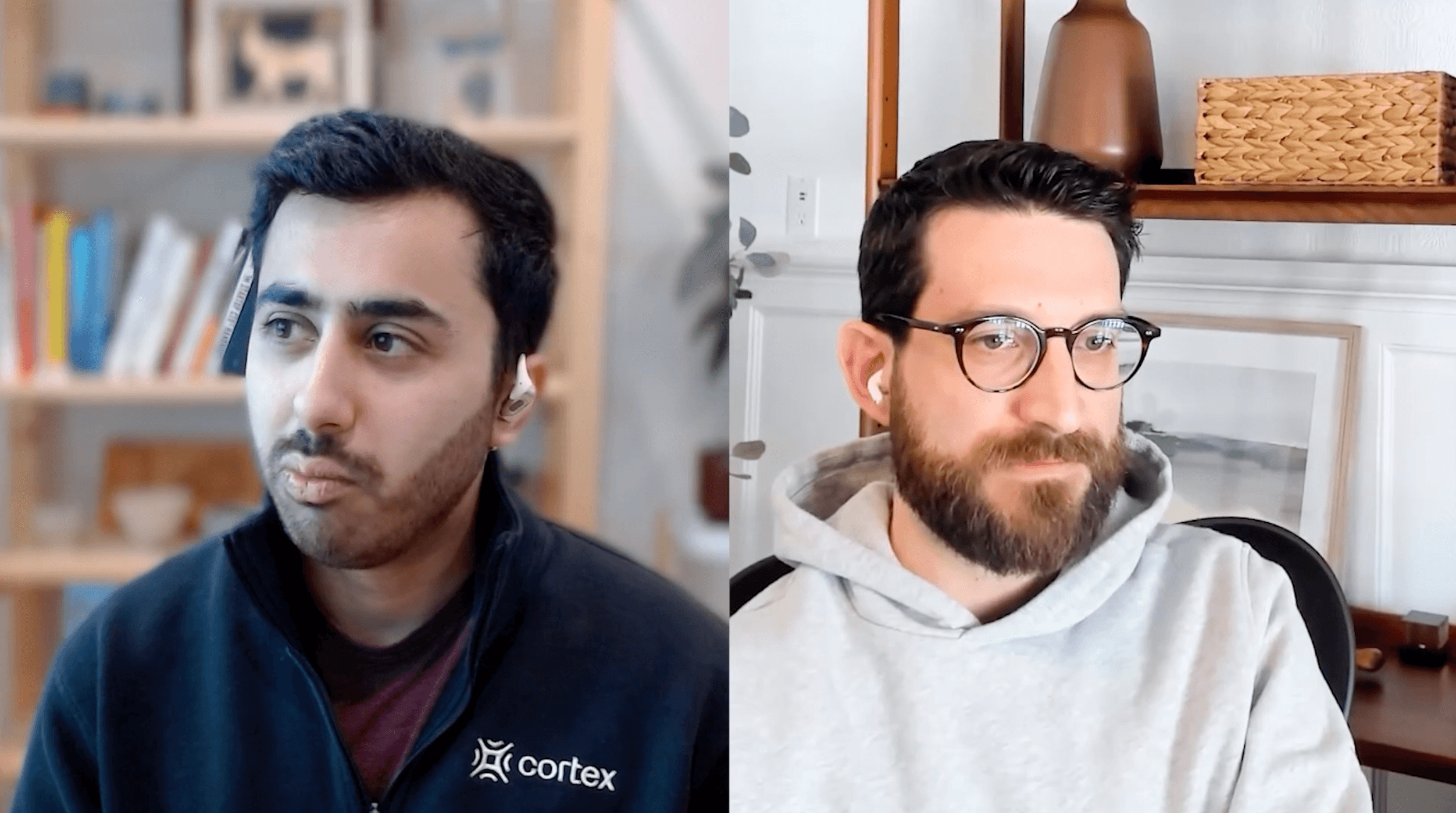
In this episode of Braintrust, Cortex co-founder and CTO Ganesh Datta sits down with Dan Sadler, VP of Engineering at Rootly. Dan shares how building a business-critical product forced Rootly to prioritize operational maturity far earlier than most companies would, and why that discipline is now paying off as AI coding tools push incident volumes higher across the industry.
They also discuss what a genuine reliability culture looks like in practice, the specific cadences Rootly uses to stay ahead of production issues, and why Dan believes the rising pace of AI-generated code makes the infrastructure around code more important than ever.
April 23, 2026
Dan Sadler
VP of Engineering at Rootly

From IC to VP: Engineering Leadership at Every Level, with Box's Tamar Bercovici
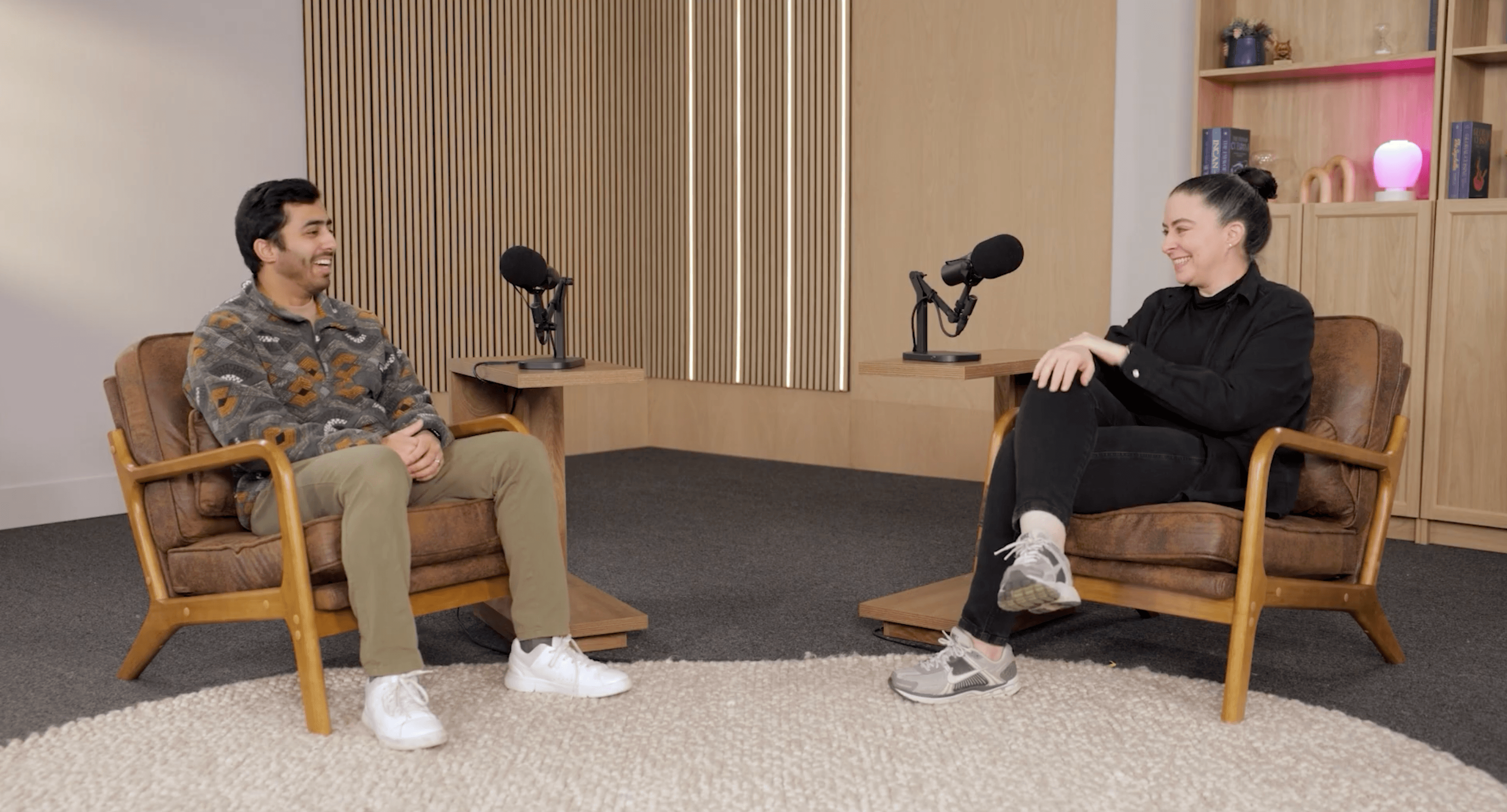
When Tamar Bercovici joined Box, the engineering team consisted of just 30 people. In the 15 years since, she's worked through every level of the leadership track in the organization and is currently the VP of Engineering. She leads the core platform, which is the backend layer that storage, search, metadata, and Box's AI capabilities all run on.
In this episode of Braintrust, Tamar and Cortex CTO Ganesh Datta get into what the job actually requires at each level from IC to VP, why the transition to a director-level role catches people off guard in a way the manager transition doesn't, and how platform teams make the case for their value when nothing they build has a user-facing feature attached to it.
April 9, 2026
Tamar Bercovici
VP of Engineering at Box

Rob Zuber on quality, metrics, and what it means to move in the right direction at CircleCI
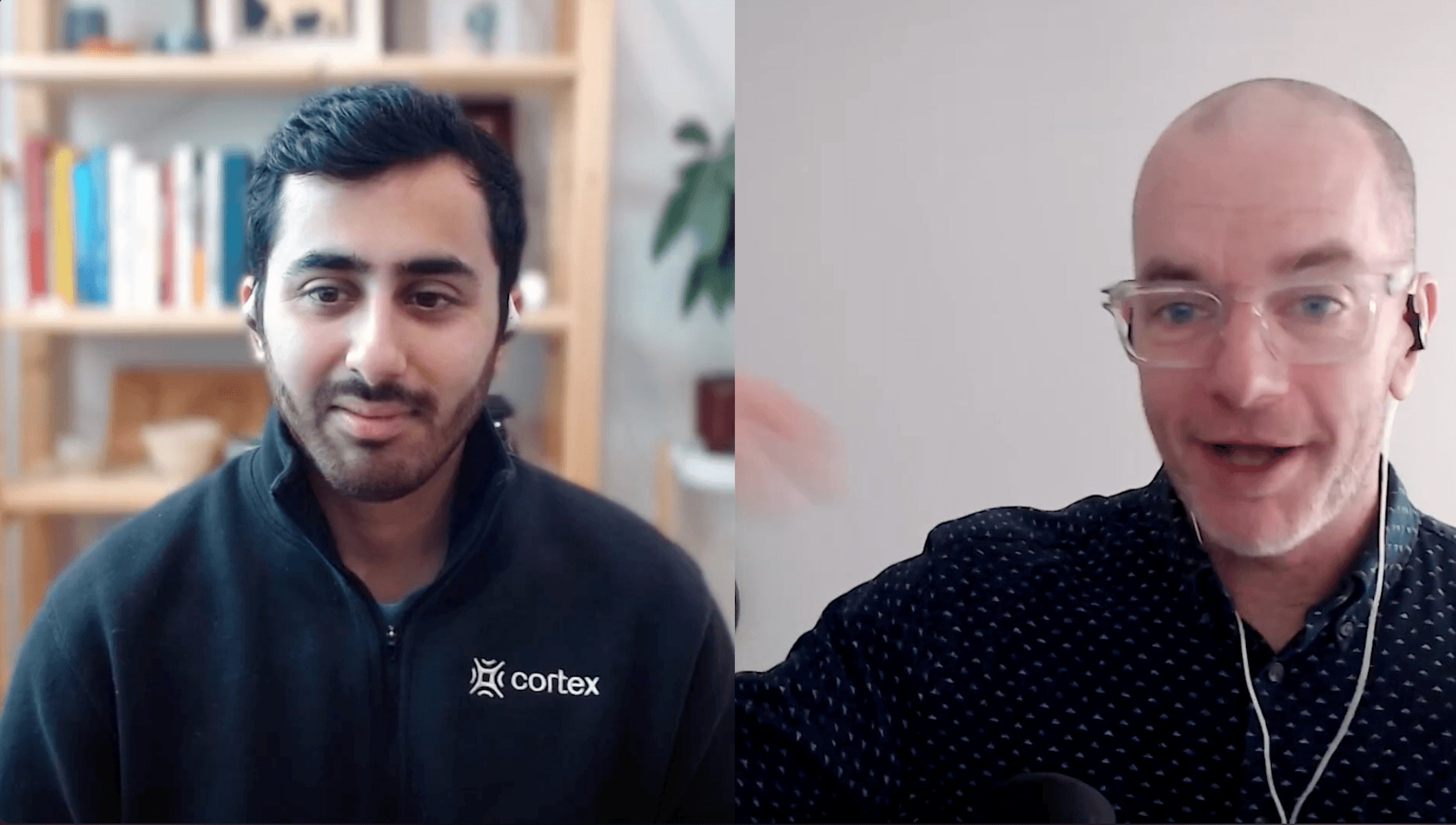
In this episode of Braintrust, Cortex co-founder and CTO Ganesh Datta sits down with Rob Zuber, CTO at CircleCI, who has spent over a decade at the center of how engineering teams build and ship software. Rob shares his thinking on two challenges that are becoming harder to ignore as AI accelerates output: the quiet erosion of software quality, and the pressure to move fast without a clear sense of direction.
They discuss what made the best QA engineers so effective and why that mindset largely disappeared, how LLMs could help bring it back, and why engineering leaders need to think about metrics very differently depending on whether their teams are scaling a mature system or exploring uncharted territory.
March 26, 2026
Rob Zuber
CTO at CircleCI